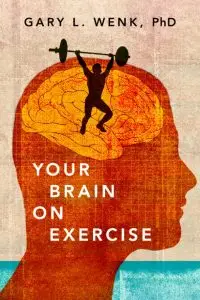
YOUR BRAIN ON EXERCISE
Book Link is Given Below:
Exercise is widely recognized for its physical benefits, such as improving cardiovascular health, strengthening muscles, and managing weight. However, its impact on the brain is equally profound and transformative. The book YOUR BRAIN ON EXERCISE explores the intricate connection between physical activity and cognitive function, revealing how regular exercise can enhance mental clarity, boost mood, and even protect against neurological disorders. This guide is essential for anyone looking to harness the full potential of their mind through movement.
How Exercise Affects the Brain
The human brain is incredibly adaptable, and physical activity stimulates numerous changes that enhance its function. YOUR BRAIN ON EXERCISE explains that exercise promotes neuroplasticity—the brain’s ability to form new neural connections—leading to improved learning, memory, and problem-solving skills.
Regular activity increases the production of brain-derived neurotrophic factor (BDNF), a protein that supports neuron growth and overall brain health. This means that individuals who exercise consistently are more likely to experience sharper cognitive function, better focus, and increased mental resilience.
Mental Health Benefits
One of the most significant aspects of YOUR BRAIN ON EXERCISE is its discussion of exercise as a natural mood enhancer. Physical activity triggers the release of endorphins, serotonin, and dopamine—chemicals that reduce stress, alleviate anxiety, and combat depression. Even moderate exercise, such as brisk walking or cycling, can significantly improve emotional well-being.
Moreover, exercise helps regulate cortisol, the stress hormone, which in excess can impair memory and learning. By reducing cortisol levels, physical activity fosters a calmer and more balanced mental state, empowering individuals to handle challenges more effectively.
Exercise and Cognitive Function
YOUR BRAIN ON EXERCISE highlights research demonstrating that people who engage in regular physical activity show improved attention, memory retention, and executive function. Aerobic exercises, in particular, enhance blood flow to the brain, ensuring a steady supply of oxygen and nutrients critical for optimal cognitive performance.
Studies also indicate that exercise may slow age-related cognitive decline and lower the risk of neurodegenerative diseases such as Alzheimer’s and Parkinson’s. By integrating consistent physical activity into daily routines, individuals can not only sharpen their minds but also safeguard long-term brain health.
Types of Exercise for Optimal Brain Function
Different forms of exercise provide unique benefits for the brain. YOUR BRAIN ON EXERCISE emphasizes a balanced approach:
- Aerobic Exercise: Activities like running, swimming, and cycling increase heart rate and circulation, delivering oxygen-rich blood to the brain and enhancing cognitive processing.
- Strength Training: Weightlifting and resistance exercises improve mood, attention, and memory while supporting overall physical health.
- Mind-Body Exercises: Yoga, Pilates, and tai chi combine physical movement with mindfulness, reducing stress and promoting emotional stability.
- High-Intensity Interval Training (HIIT): Short bursts of intense exercise followed by rest periods have been shown to stimulate neurogenesis and boost mental performance efficiently.
Incorporating Exercise into Daily Life
Integrating regular exercise into a busy schedule may seem challenging, but YOUR BRAIN ON EXERCISE provides practical strategies to make it achievable. Even small, consistent actions—such as taking the stairs, walking during breaks, or practicing short home workouts—can accumulate significant cognitive benefits over time.
Consistency is key. Experts recommend at least 150 minutes of moderate aerobic activity per week, combined with two or more strength-training sessions. Tracking progress, setting realistic goals, and choosing activities you enjoy are essential for maintaining a sustainable routine.
Long-Term Benefits of Exercising for the Brain
The long-term advantages of regular physical activity extend far beyond memory and focus. YOUR BRAIN ON EXERCISE underscores how exercise supports emotional resilience, enhances creativity, and improves sleep quality, all of which contribute to better mental health.
Additionally, exercising in social settings—such as group classes or sports—promotes social interaction and engagement, which are critical for maintaining cognitive function and emotional well-being. By adopting a holistic approach to physical activity, individuals can achieve comprehensive benefits for both body and mind.
Conclusion
The connection between physical activity and brain health is undeniable. The book YOUR BRAIN ON EXERCISE provides invaluable insights into how exercise can boost cognitive function, improve mood, and protect against neurological decline. By understanding the science behind these benefits and implementing practical strategies, anyone can enhance mental performance and overall well-being.
Exercise is more than a tool for physical fitness; it is a pathway to a healthier, sharper, and more resilient mind. By prioritizing regular physical activity, individuals unlock the full potential of their brain, improving both day-to-day functioning and long-term mental health.
Disclaimer: This content is for educational and informational purposes only. PDF resources of YOUR BRAIN ON EXERCISE are intended solely for personal and educational use. All copyrights and intellectual property rights belong to their respective owners. No copyrighted material is distributed for commercial purposes via this website.
Comments (0)